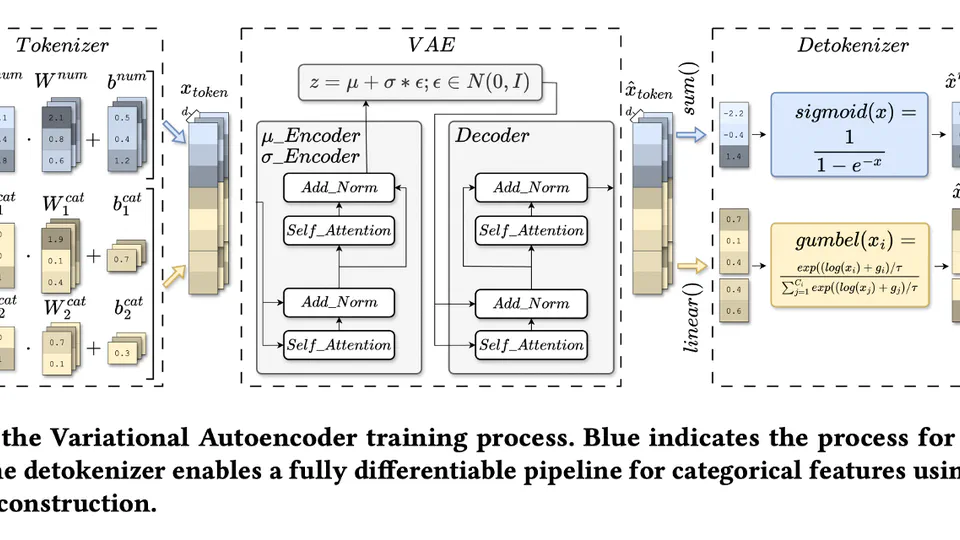
Using transformer based variational autoencoder and Gumbrl-Softmax, TABCF produces counterdactuals the are not biased towards changing the continuous features more often than the categorical features.
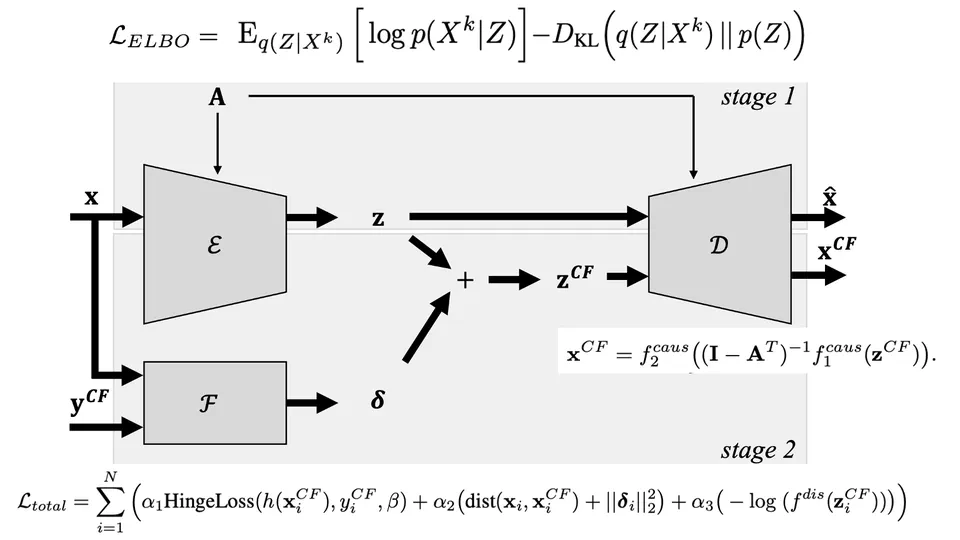
This paper proposes a DAG-GNN based VAE to reflect the inter-feature relationships in the produced counterfactuals.
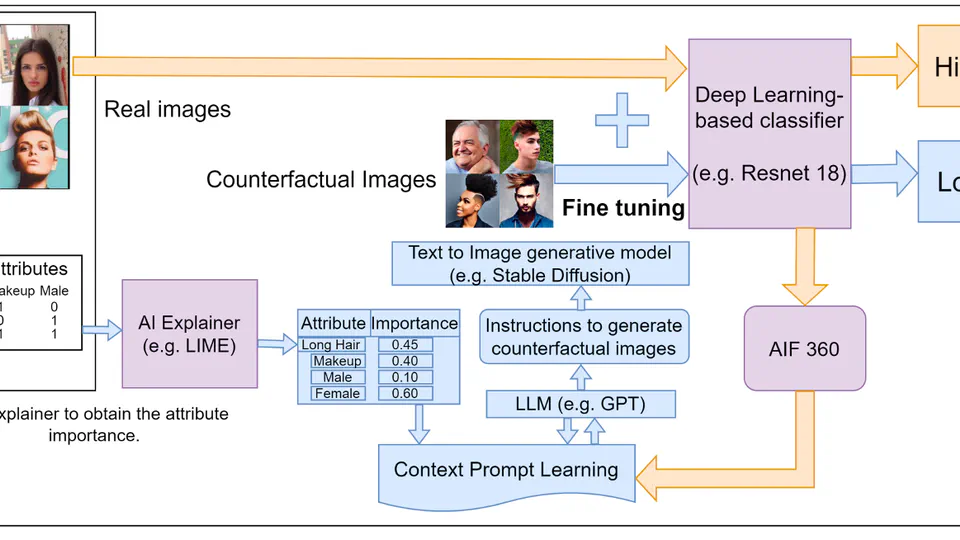
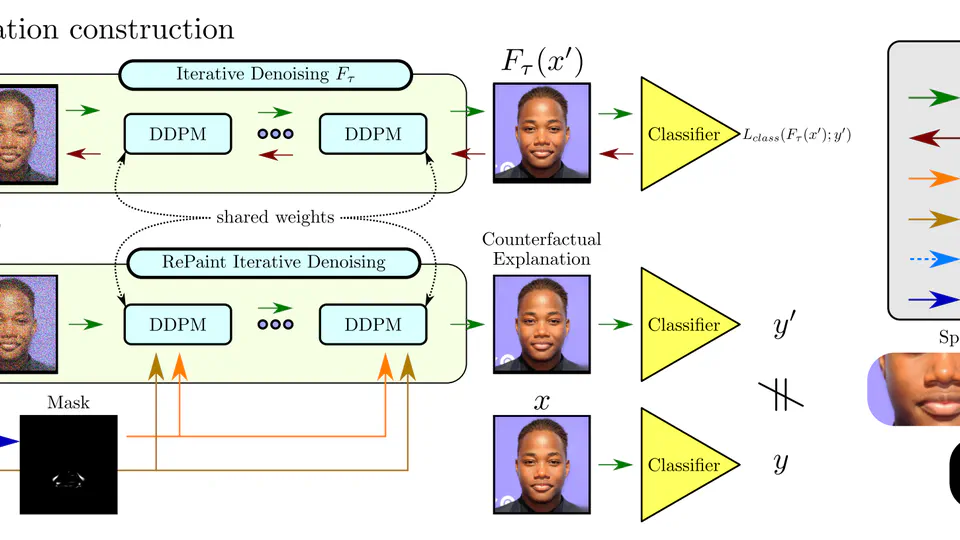
This paper introduces a technique to produce synthetic counterfactual images to train a model free of bias.
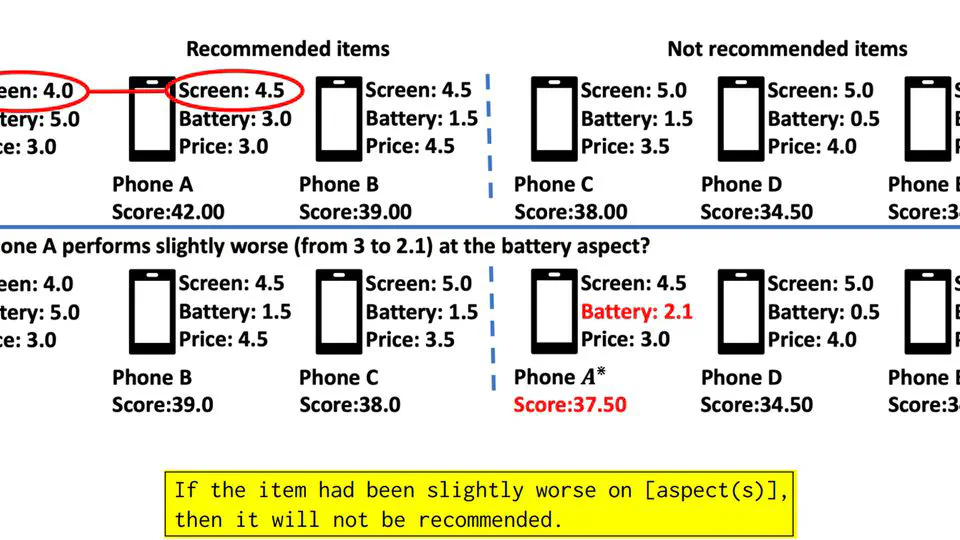
CountER tells us under what conditions a chosen item would not be recommended to a person anymore.
Adversarial Counterfactual Explanations propose to develop a filter that robustifies a model against adversarial attacks and helps to transform them into counterfactual explanations.
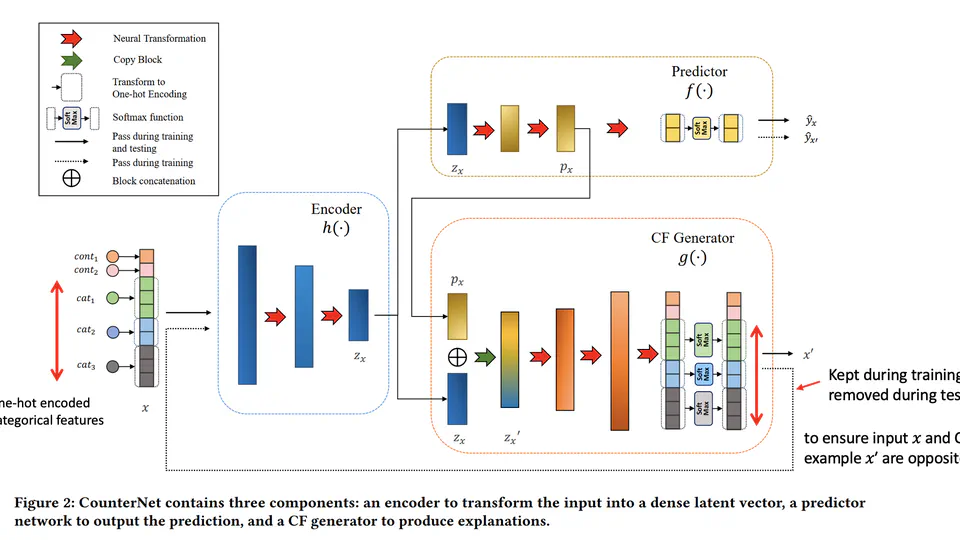
CounterNet proposes an end-to-end training of the predictor and explanation generator to solve some key issues associated with post-hoc/model agnostic explainers.
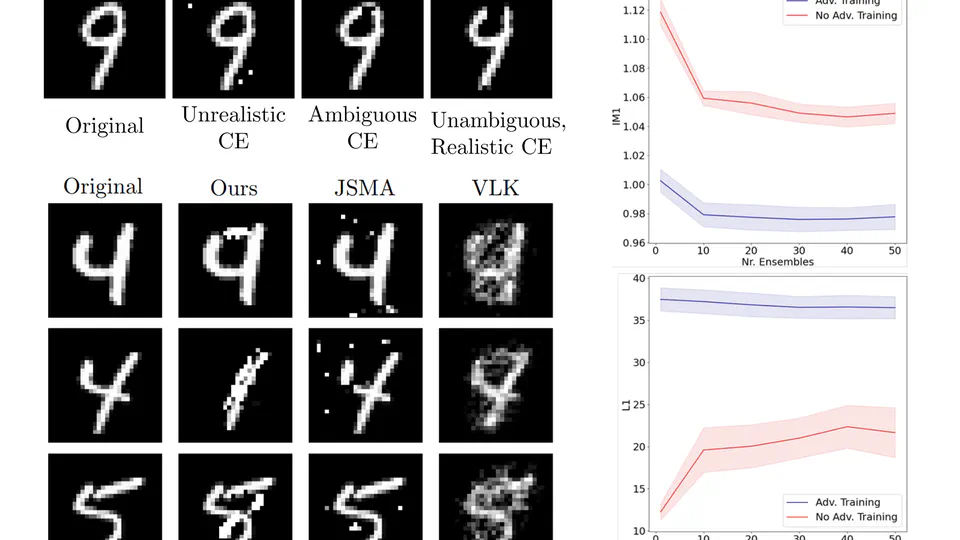
This article demonstrate a new approach to implement counterfactual explanations (CE) without necessarily employing any generative model. As generative models come with several drawbacks in CE generation, the approach in this paper is based on Epistemic and Aleatoric Uncertainty reduction.
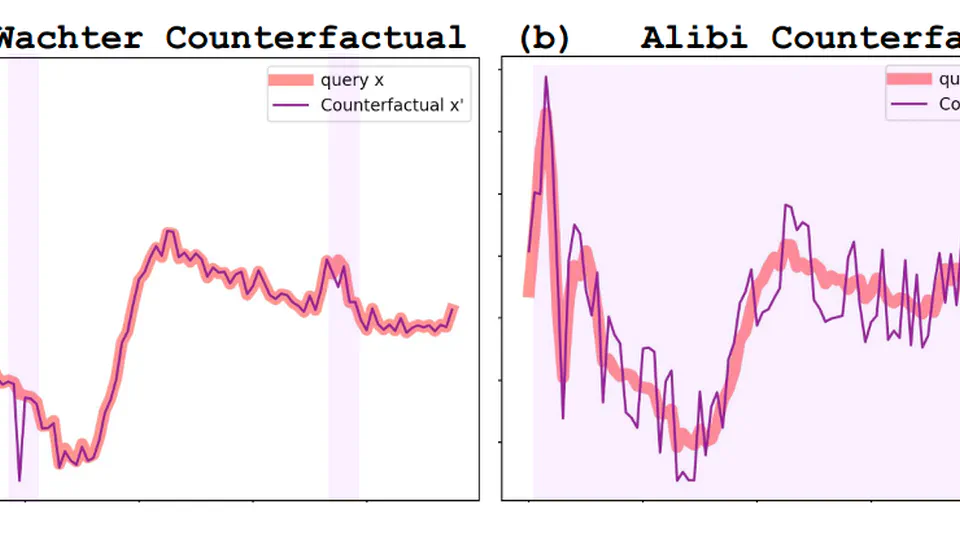
This article focuses on defining what counterfactuals mean in the context of timeseries data and proposed an algorithm that generates plausible and minimally distant counterfactual explanations.
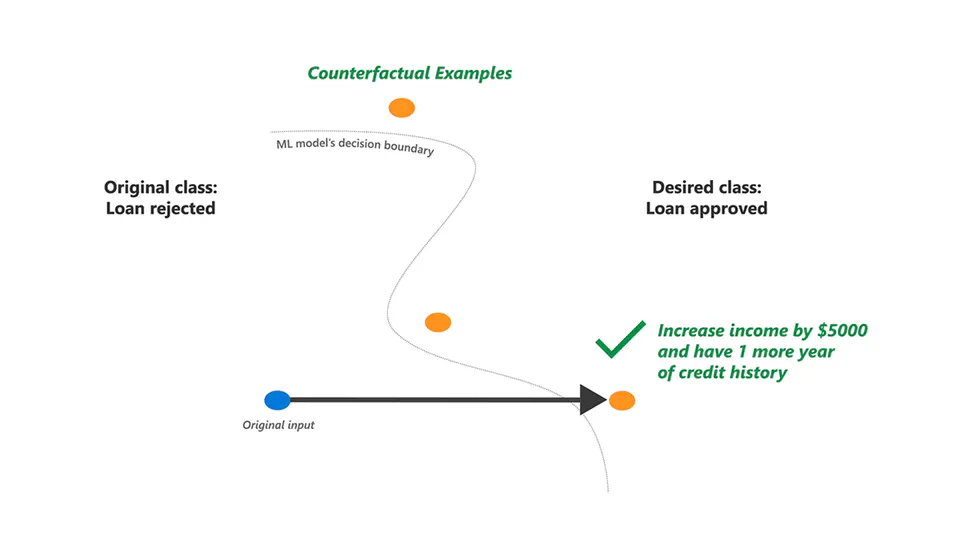
An introduction to counterfactual explanations using the novel approach developed by Microsoft Corporation, India.
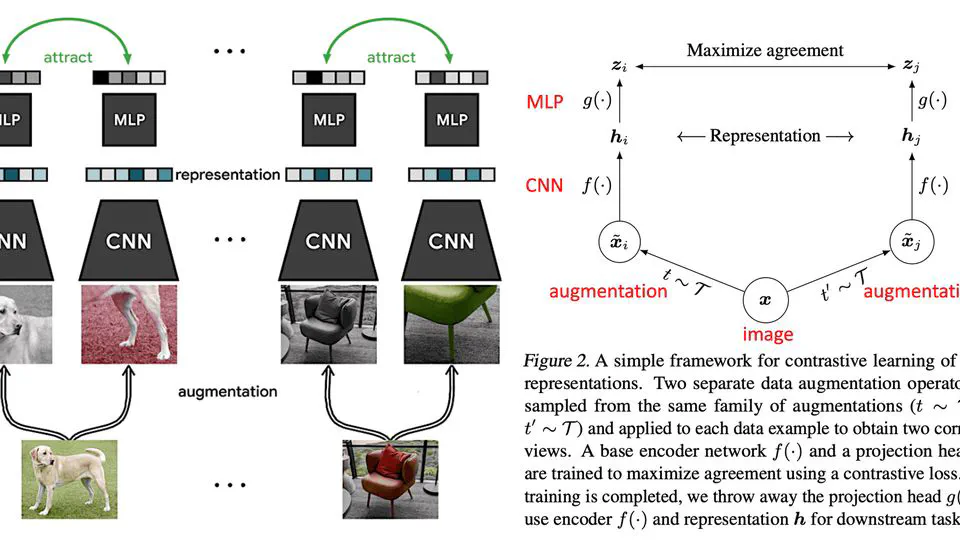
This study implemented SimCLR on EHR data to detect rare dseases. In general, rare diseases are underrepresentative classes in any clinical dataset. Therefore, using SimCLR (contrastive learning) boosts their classification accuracy.